
Probate Jewellery Valuation
Clear, written probate valuations of jewellery for executors — date-of-death market figures for HMRC and inheritance tax. Home visits across the South Coast.
For Executors
What the Service Covers
A written, itemised probate valuation on the date-of-death market basis HMRC requires — with no obligation to sell.

Written Probate Valuation
An itemised written valuation of the deceased's jewellery, suitable for submission alongside the estate's probate paperwork.
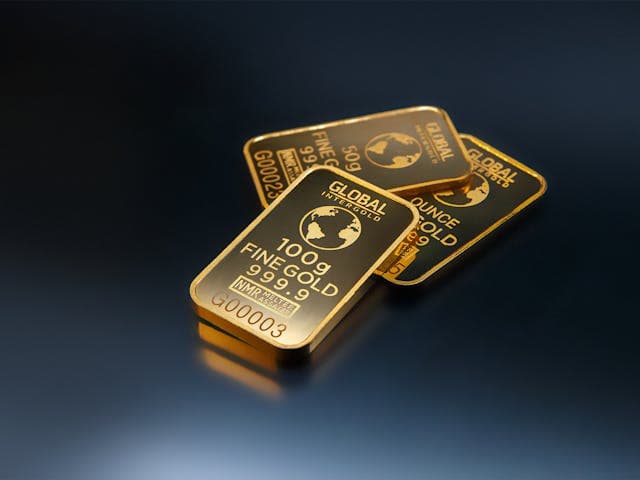
Date-of-Death Market Value
Figures set at the open-market value as at the date of death — the basis HMRC requires for inheritance-tax purposes.

Executor Guidance
Plain-English help for executors on what needs valuing, how the figures are reached, and what to expect from the process.

Itemised Assessment
Each piece listed and described individually — metal, stones, and condition — so the estate record is clear and defensible.

Optional Later Purchase
If the family later chooses to sell, we can make a separate, no-obligation offer — but the valuation itself is independent of any sale.
How It Works
Request Visit
Contact us by phone, WhatsApp, or online form to schedule a free home visit at a time that suits you.
Expert Assessment
Our experienced, enhanced DBS-checked valuers visit your home and carefully assess each item using current market data.
Fair Offer
We provide a transparent, no-obligation offer based on live precious metal prices and fair market value.
Same-Day Payment
Accept our offer and receive payment the same day via bank transfer or cheque. No waiting, no hassle.
Probate Jewellery Valuations for Executors
When someone dies, their executor is responsible for establishing the value of the estate — and that includes any jewellery, watches, and precious-metal items. A probate valuation provides the figure HMRC needs: the open-market value of those items as at the date of death. It is one of the more specialist parts of administering an estate, and getting the right kind of valuation, on the right basis, saves a great deal of difficulty later.
This service is specifically for that purpose. It is distinct from selling inherited jewellery for the best price (covered by our estate and inherited jewellery service) and from a general valuation. If you are an executor or administrator who needs a written figure for the estate accounts and inheritance-tax return, this is the page you want.
What "Market Value" Means for Probate
The phrase that matters for probate is open-market value at the date of death — broadly, the price the items would realistically achieve if sold on the open market at that time. This is deliberately different from two other figures people often confuse it with:
- Insurance / replacement value — what it would cost to buy an equivalent item new at full retail. This is usually the highest figure and is the wrong one for probate; using it would overstate the estate.
- A trade purchase offer — what a buyer might pay to acquire the item today. This is a transaction price, not a formal market valuation, and is not what HMRC is asking for.
A probate valuation sits between an understanding of resale realities and a properly evidenced, itemised market figure. We assess each piece on its metal, its stones, and its condition, and record a value on the date-of-death basis suitable for the estate's paperwork.
The Three Valuations Compared
It is worth being clear about which valuation you actually need, because they are not interchangeable. Our insurance valuation versus resale value guide explains the differences in full, but in short: insurance valuations are replacement figures for cover, resale valuations reflect what you would actually receive on a sale, and probate valuations are open-market figures fixed at the date of death for tax purposes. The same necklace can carry three quite different numbers depending on why it is being valued.
How the Process Works
We keep it straightforward for executors who already have a great deal to deal with:
- Arrange a visit. Tell us roughly what the estate contains and we book a convenient home visit anywhere across Dorset, Hampshire, and the South Coast.
- Itemised assessment. Our valuer works through the jewellery piece by piece, recording metal, stones, and condition for each item.
- Written valuation. You receive an itemised written valuation on the date-of-death market basis, ready to accompany your probate and inheritance-tax paperwork.
- No obligation to sell. The valuation is independent. If the family later chooses to sell, we can make a separate offer — but that is entirely your decision and has no bearing on the valuation figures.
As a formal written service, a probate valuation carries a fee. It is charged according to the number of items to be valued and the time involved in assessing and documenting them, so a handful of pieces costs less than a large or complex estate. We confirm the cost with you before any work begins, with no obligation to proceed.
Sensitive, Practical, No Pressure
Administering an estate is rarely easy, and we approach probate valuations accordingly — practically, clearly, and without any push to sell. Our valuers are enhanced DBS-checked and fully insured, and we are happy to explain each figure and how it was reached so the estate record is clear. To arrange a probate jewellery valuation, or simply to ask whether it is the service you need, get in touch and we will talk you through it.
Frequently Asked Questions
Explore More
Related Services
Related services for executors and families.
Read More
Related Guides
Background reading on jewellery valuations and inheritance.
Why Trust South Coast Jewellers?
Arrange a Probate Jewellery Valuation
Tell us about the estate and we will book a convenient home visit anywhere across the South Coast. No obligation to sell.